

Polynucleotides became the unofficial face of the regenerative aesthetics market last year, and their popularity shows no sign of slowing down. They were one of the most performed and most-searched for tweakments in 2025, and that number comprises myself: I have long waxed lyrical about my love of the “salmon sperm” tweakment.
They’re an excellent alternative for those who may not want to opt for more invasive treatments like Botox or filler, and the results are fantastic: they boost collagen and elastin production, reduce inflammation and increase hydration, all for rejuvenated texture, tone and firmness.
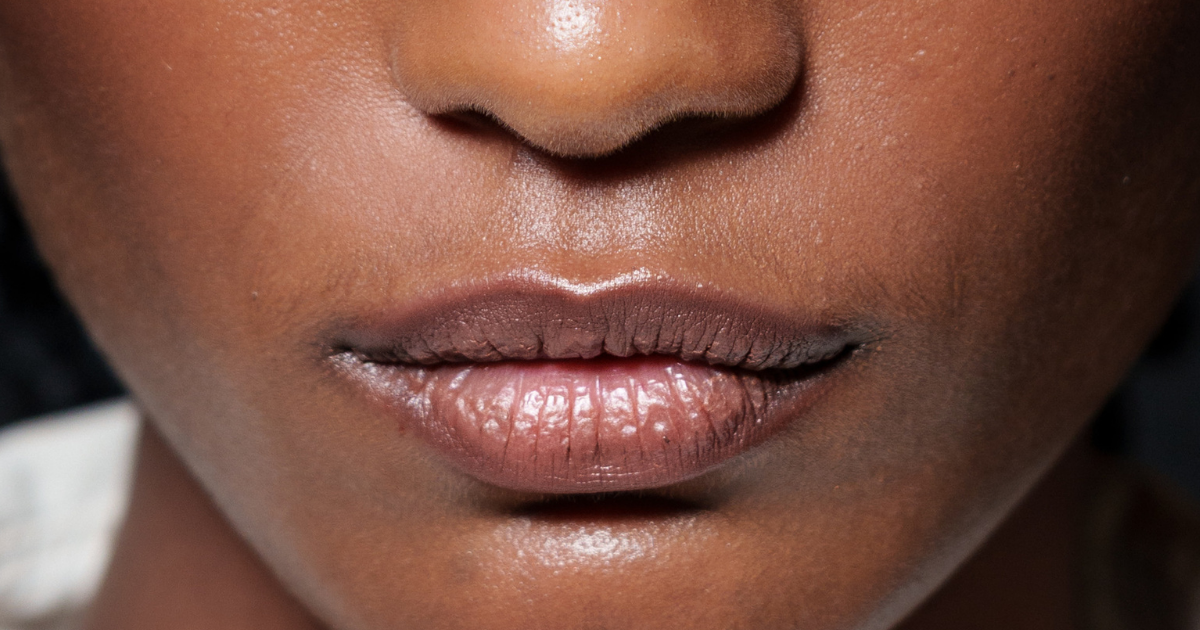
While they’re commonly used on the face and under-eyes, some practitioners are now using them on the delicate lip area. “Polynucleotides have been used in wound healing since 1950s,” explains NHS and aesthetic doctor, Miriam Adebibe. “We’ve been using them in aesthetic medicine since 2005, so we know that they’re beneficial to all areas of skin that are in need of rejuvenation. But it’s only now that we have scientific evidence of the benefits to the lips and peri-oral area, since the first paper investigating this was published last year in 2025.”
The use of Polynucleotides has already grown—going from a medical-first approach to wound healing and scar modelling to a more cosmetic basis, like bio-stimulating ageing skin and hair re-growth. “As we continue to study Polynucleotides, there may well be further medical uses to internal conditions and more effective results in general,” she adds.
Everything you need to know about the buzzy new lip procedure, ahead.
What are the benefits?
Polynucleotides provide unique benefits in regards to the lips. They offer natural results for improving the lip structure, without the risk of distortion, migration or the “lumpy” complications often associated with traditional dermal fillers used for augmentation, the doctor explains.
It’s also different in the fact that it allows for treatment of the surrounding skin, including vertical lip lines and crepey skin on the lower face—this could be done in addition to traditional filler, as it can sometimes look unnatural when the lips are “filled” but the surrounding skin appears aged.
Dr Adebibe adds: “In addition, it provides long-lasting deep hydration of the lips and surrounding skin, softens fine lines on the body of the lips as well as the surrounding area, improves overall skin quality, and helps reduce inflammation for those who suffer from inflammatory conditions around the lips, such as eczema or dermatitis.”
Are they an alternative to dermal fillers?
Polynucleotides provide a very different approach to treating the tissue, the expert says: “Instead of of simply filling the lip tissues until they are somewhat stretched in order to appear full, Polynucleotides do not focus on filling but on regenerating the tissues to become stronger, tighter, and fuller.”
She adds that even better results can be achieved when practitioners combine them with skin-boosting hyaluronic acid, which gives further hydration to the tissues and more instant results than Polynucleotides alone.
When can you expect results
Polynucleotides usually take around three to six months to show their full effects, however, when combined with hyaluronic acid, you can see instant results that continue to improve over months.
Generally though, the expert continues: “The results are dependent on the individual’s response. Those results remain with you and are subject to the same ageing processes as the rest of your body tissues, which are unique to your genetics and your lifestyle choices.”
What’s the downtime and does it hurt?
The downtime is minimal to none, says Dr Adebibe. “Expect mild swelling for a couple of days but nothing that will stop your daily activities.”
And in terms of pain, Polynucleotides can be uncomfortable and cause some stinging. Practitioners like Dr Adebibe use an injection of local anaesthetic to make sure the treatment is tolerable.