

When I had appendicitis, I remember my then-boss’s words echoing in my ear as I counted backwards on the surgery table, “Request keyhole. You don’t want a massive scar!” I did, and the three minuscule marks left behind were almost undetectable, as if the trauma never happened. Many of my girlfriends had C-sections, and most proudly rub their lower tummy, calling their scars ‘warrior marks’ or ‘love lines. “These scars represent saving my child’s life”, one told me. While actor Amy Schumer showed off her scar on social media, saying ‘Feeling like my C-section looks cute today!’ she wrote.
Scars are a perfectly normal reaction of the body and can tell a story about your life, but not everyone wishes to embrace them, and that’s fine, too. If you’ve ever tried to fade or heal your scars, you know that it’s easier said than done. “Even five years ago, the options for scarring were fairly limited—you were largely looking at ablative lasers or resurfacing, which came with significant downtime,” explains Emma Wedgwood, advanced nurse practitioner at Emma Wedgwood Aesthetics.
(Image credit: @amyschumer, Instagram)
“Scar treatment has moved on enormously in the last decade, but the most important step in understanding your options is still the simplest one—identifying exactly what type of scar you’re dealing with,” adds Dr Sophie Shotter. Most people will experience some form of scarring during their lifetime. Yet, while they may appear similar to the untrained eye, their biology can be completely different. “A keloid scar, an acne scar and a stretch mark might all be called scars, but biologically they behave completely differently, which means the treatment options are completely different too.”
Article continues below
Below, we break down the most common types of scars—what causes them, how to recognise them and, crucially, which treatments are most likely to make a difference. “As soon as you identify the scar type correctly, you’re on the right path,” says Shotter.
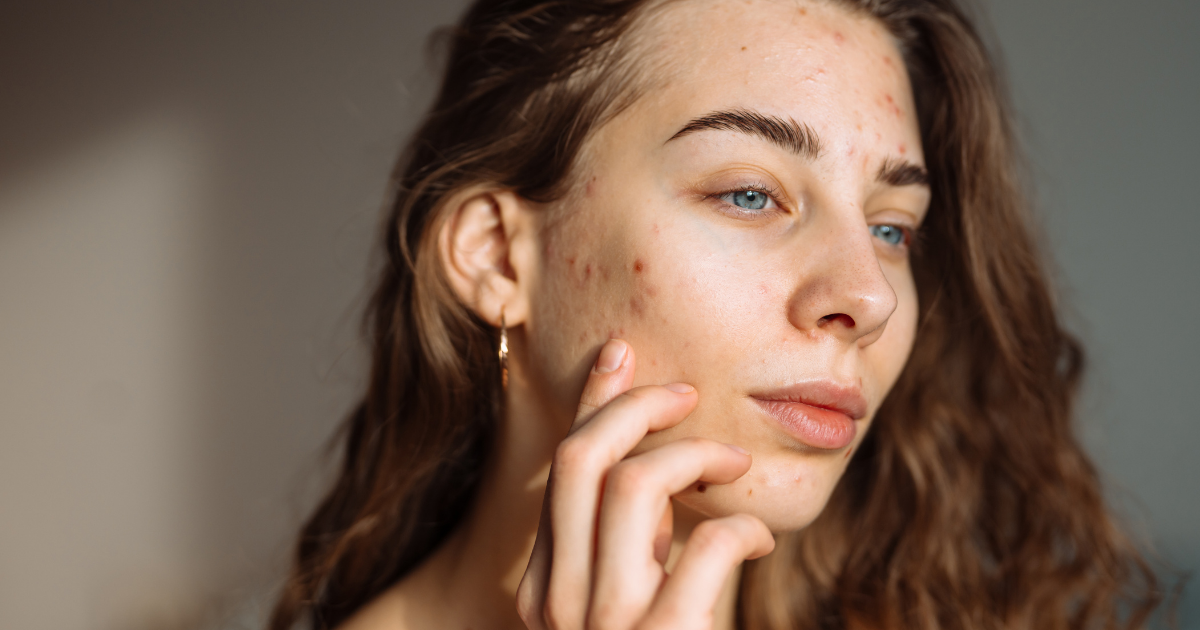
Atrophic scars (depressed scars)
What causes them? Inflammatory acne, Chickenpox scars, and injuries that damage collagen. “Inflammation is the key trigger,” Wedgwood adds. “When the skin is dealing with a lot of inflammation, collagen can be damaged in the healing process, and unfortunately, the skin doesn’t always rebuild itself evenly.”
What treatments work best? The most effective treatments are those that stimulate collagen or release the tethering underneath the scar. “With atrophic acne scarring, we’re looking to stimulate collagen remodelling,” says Wedgwood. “Precision laser treatments, microneedling and polynucleotides can all be effective depending on the depth and type of scarring.” Shotter agrees that combination is key: “These scars often need a layered approach—one treatment alone rarely delivers the kind of change patients are hoping for.” Topicals won’t erase an atrophic scar, but they can support overall skin quality. “Ingredients like retinoids, vitamin C and peptides can help improve texture and make the skin look more even,” says Shotter. “Think of them as supportive rather than corrective.”
Hypertrophic scars (raised scars)
Hypertrophic scars are raised, thick scars that stay within the boundary of the original injury. They form when the body produces too much collagen during healing. “These scars are essentially the opposite problem to atrophic scarring,” says Wedgwood. “The body overproduces collagen during healing, creating raised, often firm tissue.” They’re firm, raised and sometimes red or itchy, but importantly, they don’t grow beyond the original wound. There is a genetic predisposition; some skin types are significantly more prone to this kind of scarring.
What causes them? Surgery, such as a C-section, burns, cuts, and piercings. “We tend to see these in areas where the skin is under tension as it heals,” explains Shotter. “That ongoing stress can encourage excess collagen production.”
What treatments work best? “With hypertrophic scars, we’re usually trying to calm down collagen production rather than stimulate it,” says Shotter. Steroid injections, silicone-based topicals, and sometimes laser therapy can help reduce redness and flatten the tissue. “These scars need patience and realistic expectations,” adds Wedgwood. They don’t change overnight, but they can improve significantly with the right approach. Silicone gels remain the gold standard. “They help hydrate the scar and regulate collagen formation during healing,” says Shotter. “I’ll often also recommend daily massage to help the scar mature more evenly.”
Keloid scars
Keloids are essentially scars that don’t know when to stop growing. “Hypertrophic scars stay within the boundaries of the original wound, while keloids grow beyond it,” explains Wedgwood. They’re thick, shiny, often darker than the surrounding skin and can continue expanding outside the original injury. “They can be itchy or uncomfortable.”
What causes them? They are more common after skin injury, and can often appear after ear piercing. Some form due to burns, acne scars and wounds that become infected or where the skin becomes significantly tight whilst healing. According to Wedgwood, there is a strong genetic influence, too. “Some people are simply more prone to this type of scarring, which is why prevention and early management are so important.”
What treatments work best? “Keloids require a very controlled medical approach because stimulating treatments can sometimes worsen them,” says Shotter. Common options include steroid injections, cryotherapy, laser therapy and surgical removal combined with injections. Silicone gels can help early on, but established keloids usually need in-clinic treatment.
Stretch marks (striae)
What causes them? Changes in your body, such as pregnancy and hormones, cause your skin to stretch, weakening its fibres. Rapid weight changes put pressure on the skin’s fibres, which in turn can cause stretch marks to appear.
What treatments work best? “Early stretch marks respond best to treatment,” says Shotter. “Early stretch marks respond best to treatment,” says Shotter. “While they’re still red or purple, there’s more we can do.” Laser therapy, microneedling and radiofrequency microneedling can all help improve their appearance. “Once they’ve turned white, they’re harder to treat—but not impossible,” adds Shotter. It just requires more consistency and realistic expectations. “Retinoids and collagen-stimulating ingredients can help early stretch marks look less visible.” Whilst these will not do much to reduce the actual stretch marks themselves, applying self-tan can help to temporarily minimise the colour difference between stretch marks and your skin tone.
Shop topical scar treatments

Paula’s Choice
Retinol Body Treatment


Kelo-Cote
Scar Treatment Gel