

[ad_1]
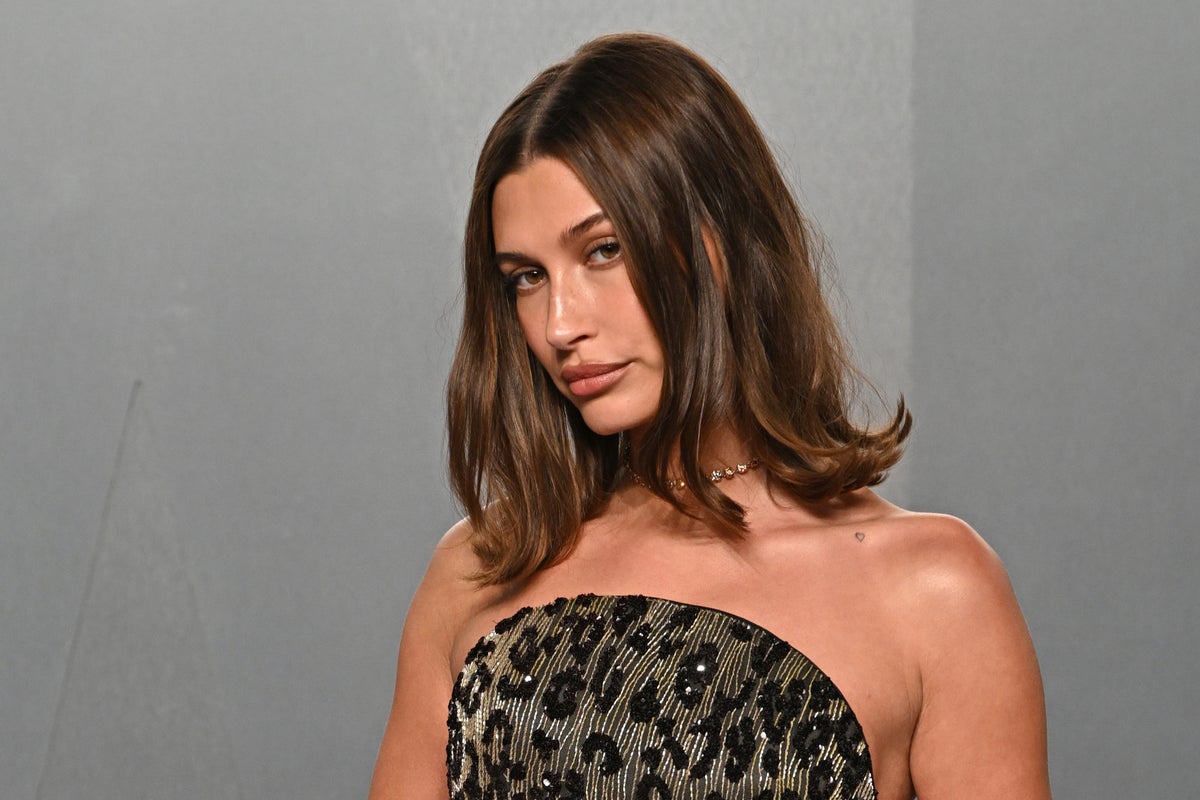
While hair trends have often swung between the extremes of the French bob and long, bohemian waves, the versatile mid-length style has rarely taken centre stage.
However, this spring, salons are reporting a significant shift, with this in-between cut finally coming into its own.
Falling between the collarbone and chest, the mid-length is proving both practical and stylish, resonating strongly with contemporary tastes.
Celebrity hairstylist Jason Collier, whose high-profile clients include Victoria Beckham and Eva Longoria, notes a clear trend.
“There’s a real shift towards effortless beauty,” he explains.
“Mid-length cuts deliver exactly that. They’re long enough to feel feminine and versatile, but short enough to look fresh.”
This balance of ease and sophistication is key to its growing popularity.
Edward James, founder of Edward James salons and a stylist to celebrities and royals, says: “Clients want hair that looks expensive but still works with everyday routines – gym, work, weekends. You get movement and a healthier look without the upkeep of very long hair.”
So what exactly does the modern mid-length look like and how should you be styling it now?
The cuts to ask for
While the term “mid-length” might sound vague, there are a few key silhouettes emerging as the go-to styles this season.
Blunt cuts, often referred to as lobs, are still a staple. “They give that clean, expensive finish,” says Collier. But there’s also a move towards something softer.
“We’re seeing more lived-in shapes,” he explains, “invisible layers, feathered ends and slightly undone textures … it’s less about rigid structure.”
James agrees, pointing to two main trends he’s seeing in salons right now.
The first is a blunt, one-length cut that keeps the ends looking thick and healthy. The second is a modern take on Nineties layering – often referenced as “The Rachel” from the hit TV show Friends, but updated.
“It’s softer, with subtle face-framing at the front and lighter layering through the rest of the hair,” he says. “You get shape and movement without thinning out the ends.”
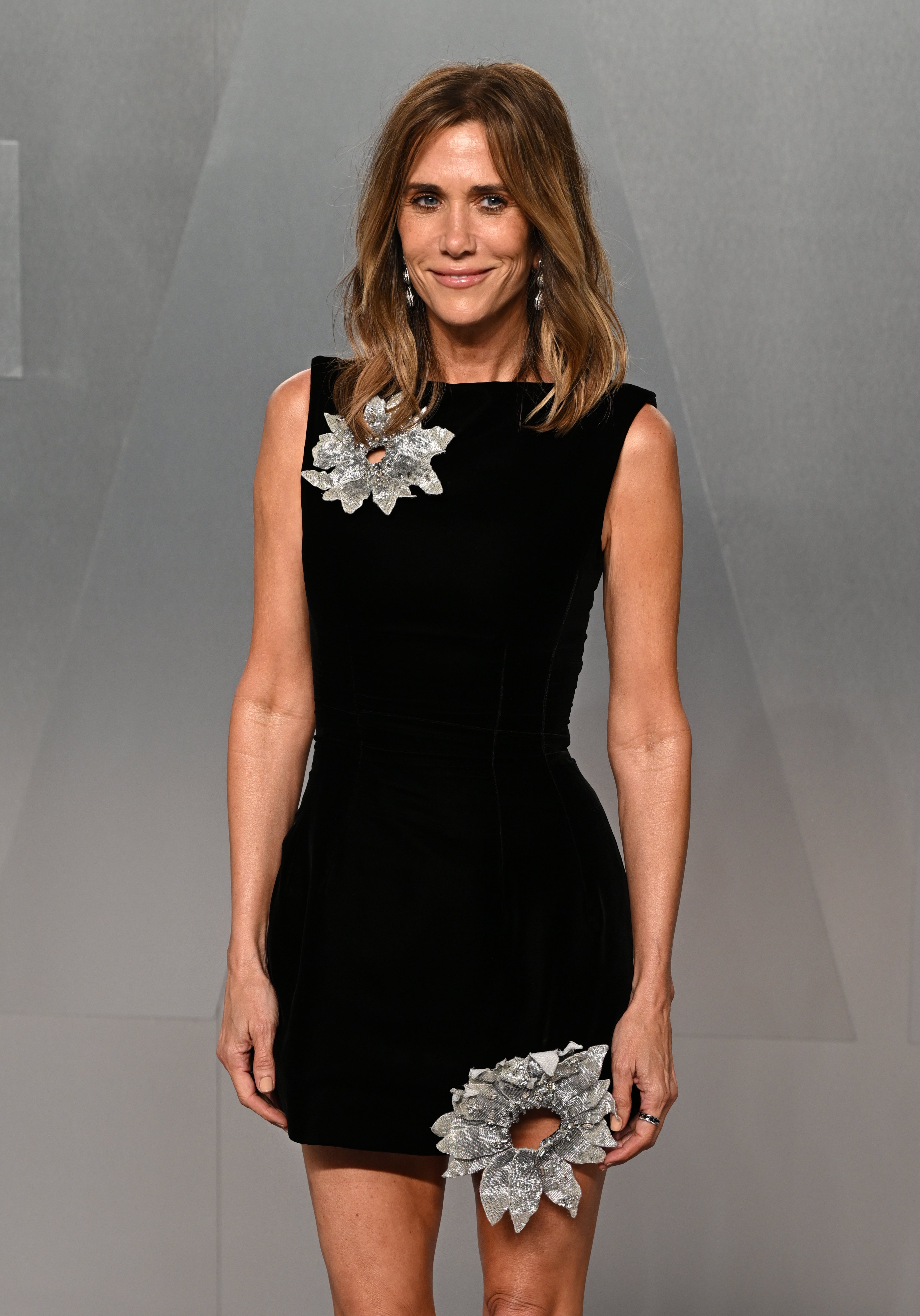
How to style mid-length hair without overdoing it
When it comes to styling mid-length hair, it’s key not to overdo it, or you risk looking too retro.
“Over-styling can make it look dated,” says Collier, “right now, it’s about enhancing your natural texture whether that’s a soft bend, a loose wave or even an air-dried finish.”
This leans into the boho-chic movement, rather than perfectly uniform curls or sleek, structured blow-dries, the focus is on something more relaxed.
Waves should be broken up, ends left slightly undone and the overall finish kept soft.
James describes it as “touchable hair” that isn’t too stiff with styling.
“A soft bend through the mid-lengths using tongs or straighteners works well,” he says, “but you want it to feel natural rather than overly styled.
“Condition is what makes mid-length hair look expensive,” he explains, recommending glossing treatments or smoothing products to enhance the finish without weighing the hair down.
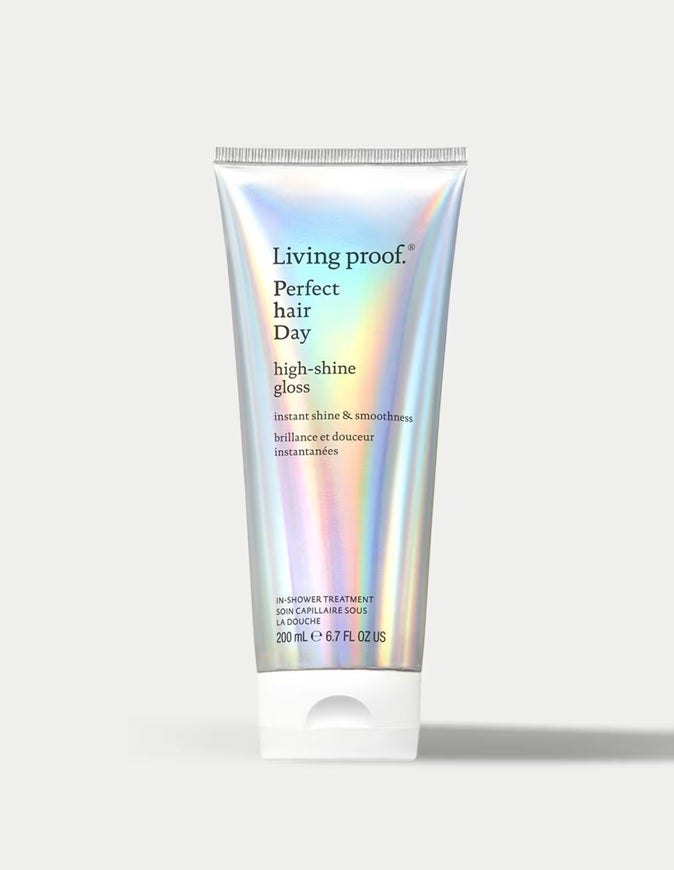
Living Proof Perfect hair Day™ High-Shine Gloss Treatment, £32
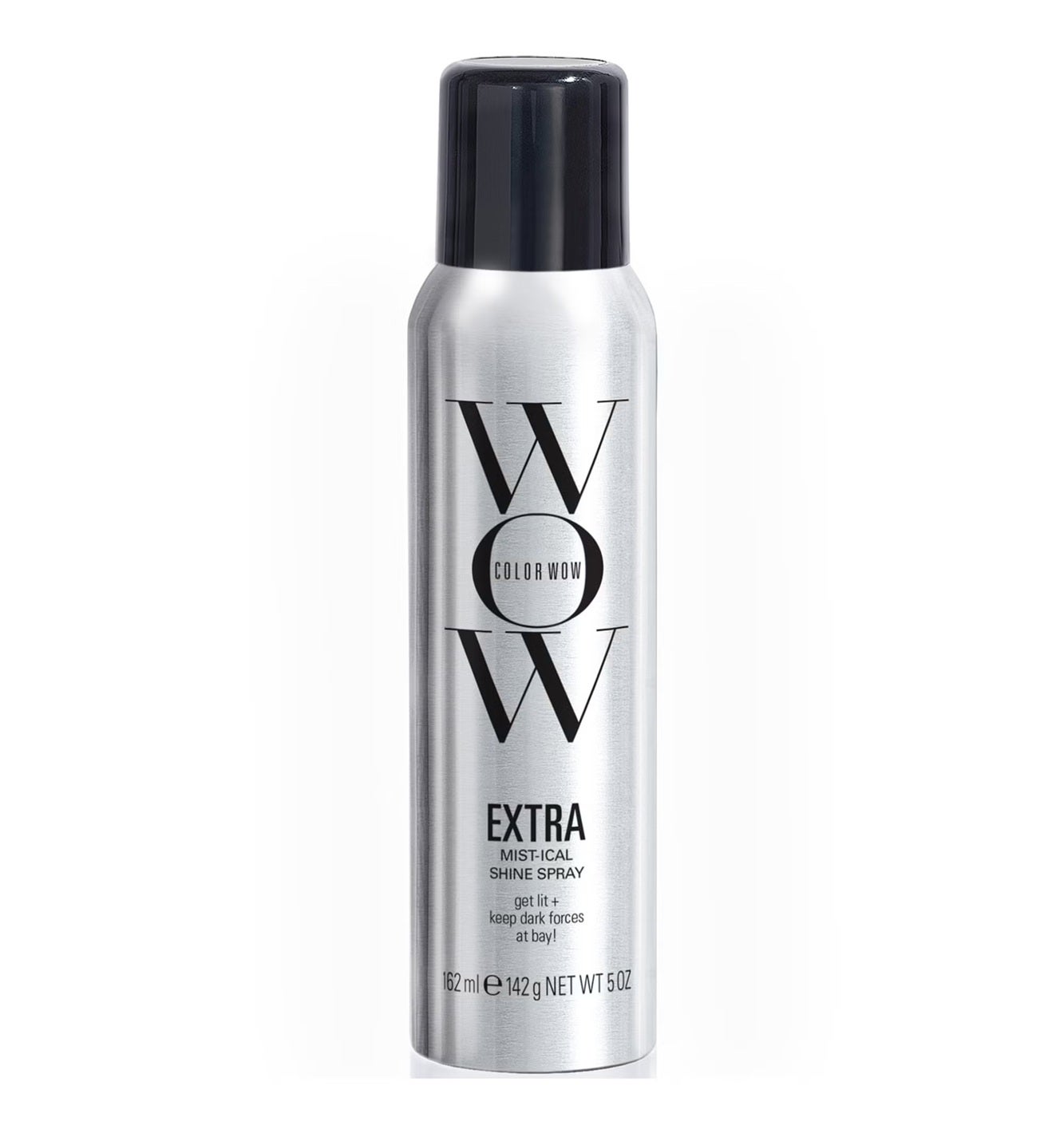
Color Wow Extra Mist-ical Shine Spray, £28, Look Fantastic
Why the mid-length cut works for every hair type
One of the biggest appeals of mid-length hair is its versatility.
According to James and Collier, it can work across almost all hair types, but the cut needs to be tailored.
For finer hair, the key is keeping the ends blunt, as Collier says “it creates the illusion of thickness”, noting that too much layering can make fine hair look sparse.
For thicker or coarser hair, the opposite applies. “You need internal layering to remove bulk,” Collier explains, otherwise the shape can feel heavy or triangular.
Curly and textured hair also lends itself well to mid-length styles, as long as it’s approached correctly. “It’s important to work with the natural curl pattern rather than against it,” Collier says.
James also recommends that shaping should be done on dry hair when it comes to thicker textures, as this means the stylist can see how the curls naturally fall.
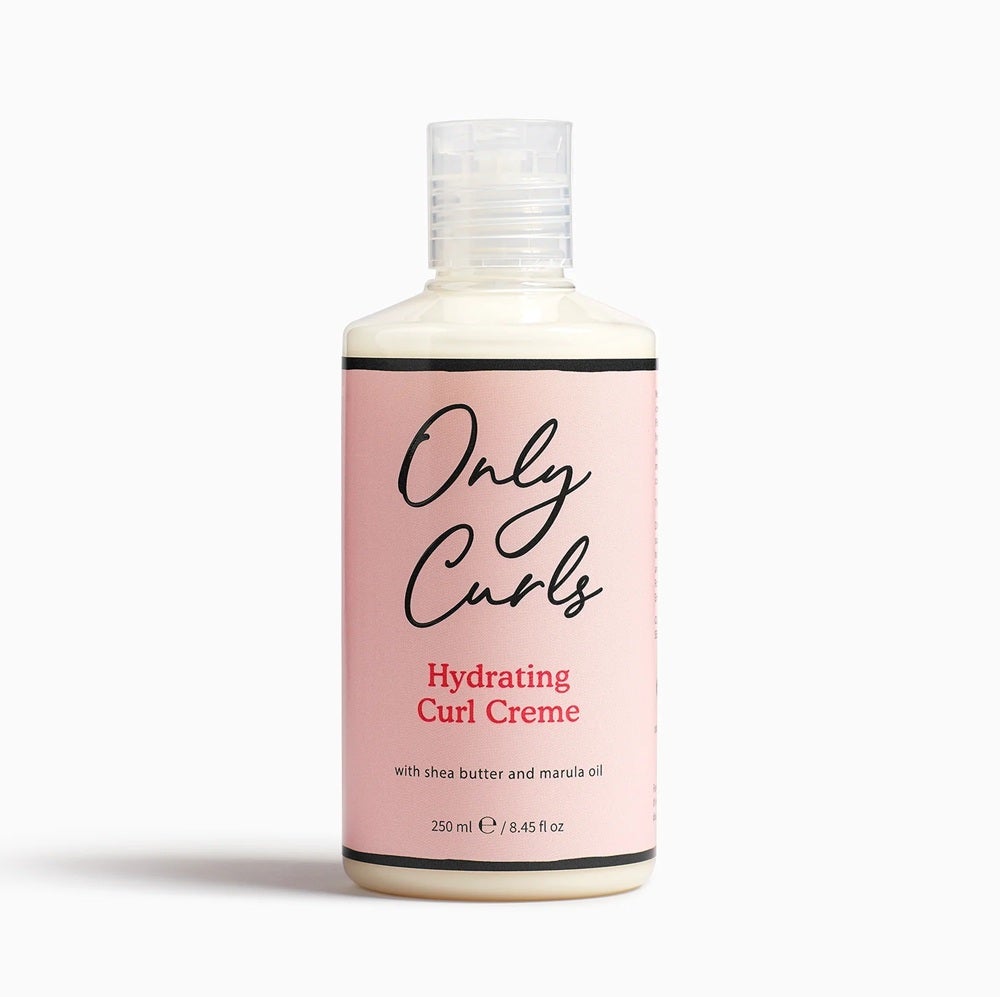
Only Curls Hydrating Curl Creme, £18
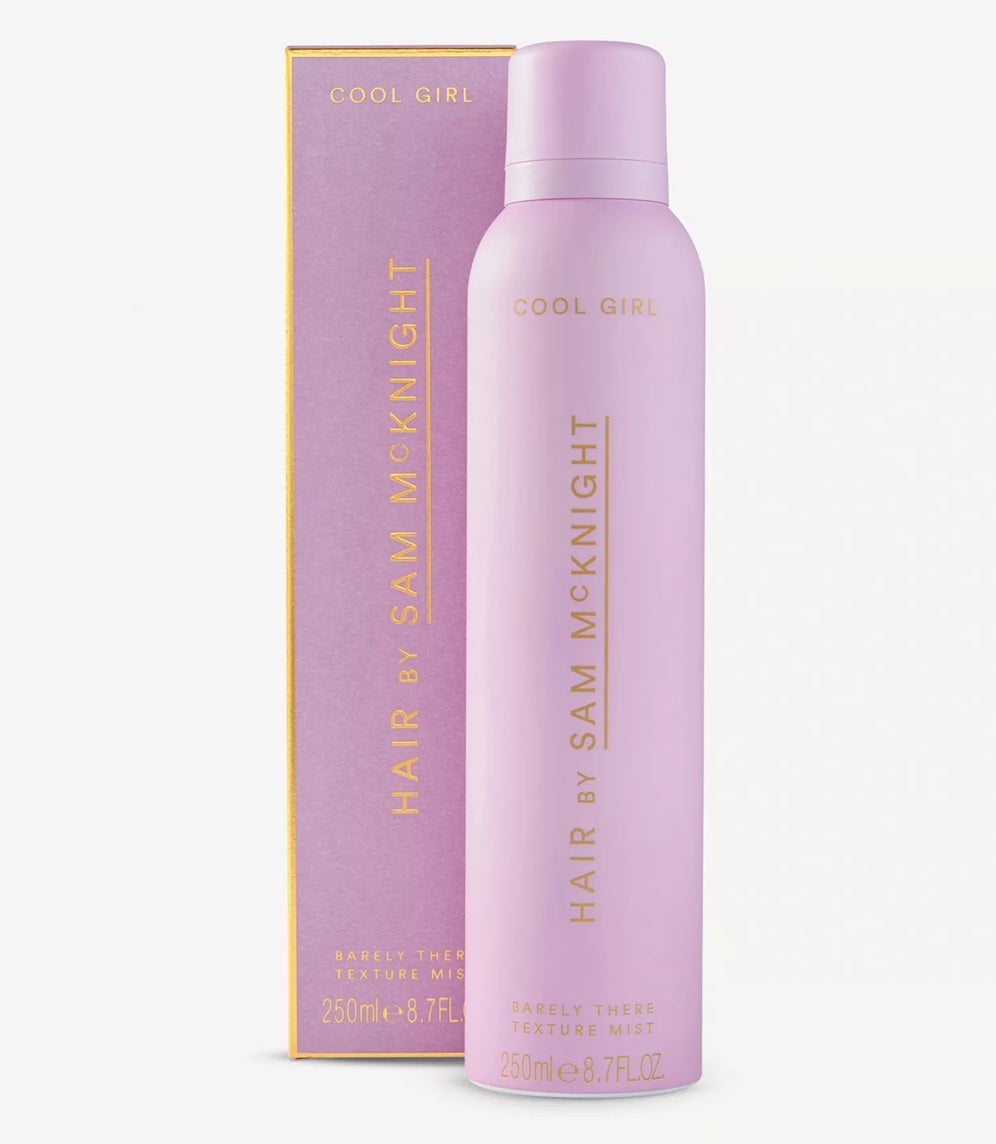
Sam McKnight Cool Girl Barely There Texture Mist, £28
The impact of fringes and layers
Small details can completely change the feel of a mid-length cut, particularly when it comes to fringes and face-framing layers.
“Face-framing makes a huge difference to how a mid-length cut sits,” says James. “Softer layers around the front open up the face and make the style feel more current, while keeping the back stronger maintains that sense of thickness.
“Whether you layer or not really comes down to hair density and how the client styles their hair. If the hair is fine, you want to be more conservative. If it’s thicker, you have more freedom to introduce movement without losing shape.”
Fringes can make all the difference, Collier says, “a curtain fringe gives a relaxed, effortless feel, while a blunt fringe makes it more structured.”
He explains: “If you want movement and lightness, layering is key, but if you prefer a sleek, fuller look, keeping it more one-length often works better.”
The same applies to styling habits. Those who prefer low-maintenance routines may benefit from fewer layers, while those who enjoy styling can experiment with more texture.
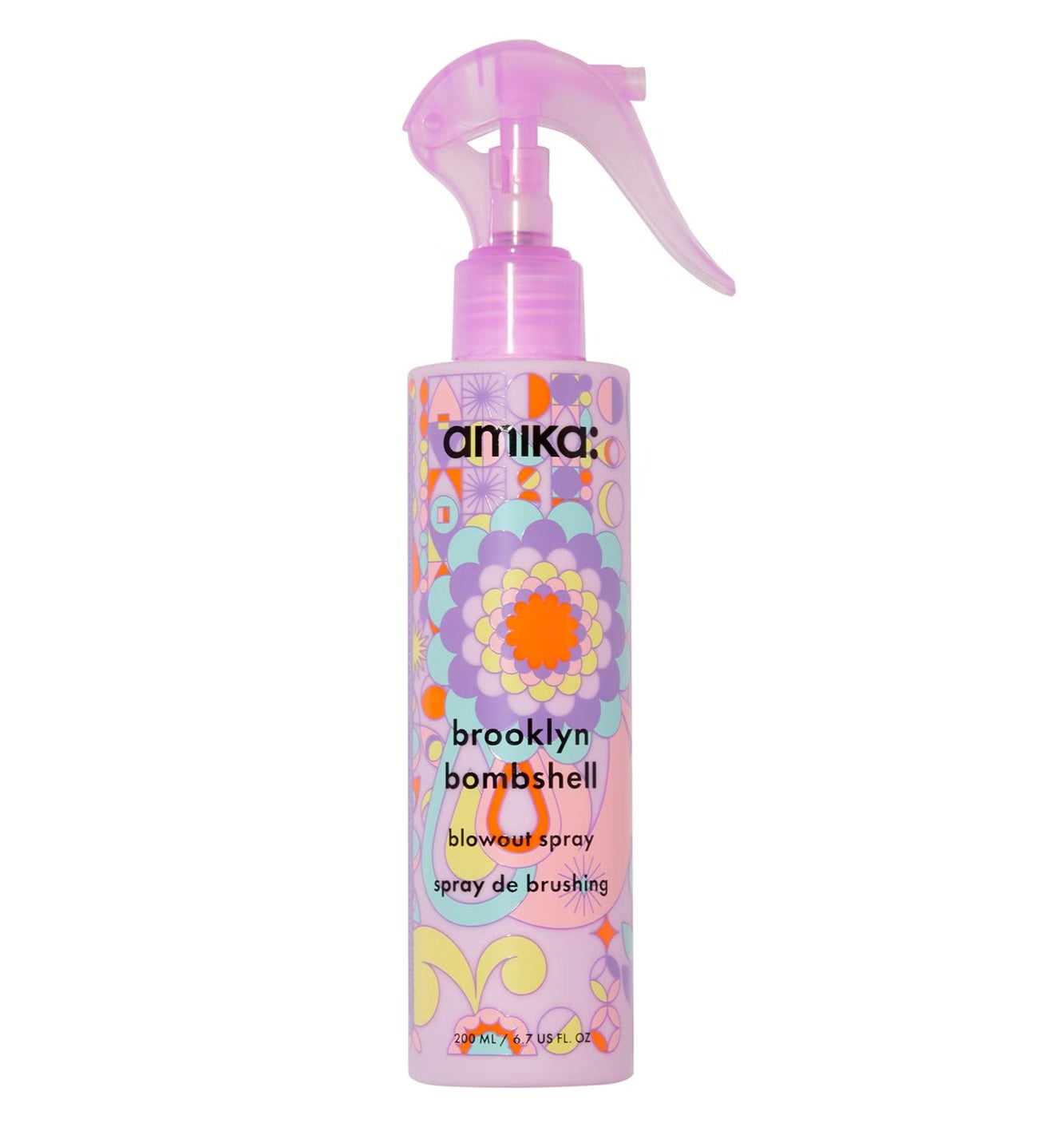
Amika Brooklyn Bombshell Blowout Spray, £28, Cult Beauty
Less is more
If there’s one thing both James and Collier agree on, it’s that mid-length hair is easy to get wrong if you try too hard.
“Too much heat styling, too much product, too much structure [can make it] end up looking stiff,” says Collier.
James points out that over-layering is another common issue. “It can leave the ends looking thin and wispy, which takes away from that strong, expensive finish.”
Instead, the focus should be on letting the cut do the work.
“Use lightweight products, avoid over-curling and keep it natural,” Collier says, “mid-length hair looks its best when it feels effortless.”
[ad_2]
Source link