


[ad_1]
The fundamental difference: Joggers have tapered legs with elastic cuffs at the ankles, while sweatpants have straight legs with open (or sometimes elastic) bottoms. Joggers are made from lightweight, breathable fabrics designed for movement and style versatility—think gym to coffee shop. Sweatpants use heavier, warmer materials prioritizing comfort and insulation—ideal for lounging and cold weather.
Choose joggers when you want a modern, intentional look that works in semi-public settings. Choose sweatpants when comfort and warmth are your top priorities. Most men should own both: 2-3 pairs of joggers for 70% of casual situations, and 1-2 pairs of sweatpants for home and cold-weather use.

The joggers vs sweatpants debate might seem trivial, but understanding the distinction changes everything about how you dress casually. The difference isn’t just semantic—it fundamentally changes where you can wear them, how you style them, and whether you look intentional or sloppy. Here’s the core distinction that drives everything else: joggers have tapered legs with elastic cuffs at the ankles; sweatpants have straight legs with open bottoms.
That single design difference creates a cascade of implications for fabric, styling, and appropriate contexts. Both emerged from athletic wear, but they’ve evolved to serve different purposes in the modern wardrobe. The athleisure boom of the 2010s made both acceptable outside the gym, but understanding the sweatpants vs joggers difference helps you choose the right option for your lifestyle and look intentional rather than like you just rolled out of bed.
For context on how we arrived at this moment where athletic-inspired pants dominate casual wardrobes, check out our complete guide to athleisure brands.
Quick Visual Comparison: Joggers vs Sweatpants
| Feature | Joggers | Sweatpants |
|---|---|---|
| Leg Cut | Tapered, narrowing to ankle | Straight leg or slightly baggy |
| Ankle | Elastic cuffs | Open bottom (sometimes elastic) |
| Material Weight | Lightweight (200-280 GSM) | Heavyweight (280-400+ GSM) |
| Primary Fabric | Polyester blends, tech fabrics, light cotton | Fleece, heavy cotton, French terry |
| Original Purpose | Active performance | Warmth retention |
| Fit Philosophy | Form-fitting, modern silhouette | Relaxed, comfort-first |
| Best Season | Spring/Summer/Fall | Fall/Winter |
| Style Versatility | High (gym to street) | Medium (home to casual errands) |
| Typical Price Range | $30-120 | $20-80 |
This joggers vs sweatpants comparison highlights the core differences, but there’s nuance to each category worth exploring.
Understanding Track Pants vs Sweatpants vs Joggers
Before diving deeper into the joggers vs sweatpants debate, let’s clarify track pants—the often-confused third category in the track pants vs joggers vs sweatpants discussion.

Track Pants: The Third Option
Track pants were originally designed for track and field athletes to wear during warm-ups. They’re distinct from both joggers and sweatpants:
- Lightweight, wrinkle-resistant nylon or polyester construction
- Usually features side snap buttons or the iconic three stripes
- Looser fit than joggers but not as heavy as sweatpants
- Straight leg with elastic ankles
- Think 1990s athletic teams and Adidas Tiro pants
The Hierarchy Explained
When comparing track pants vs sweatpants vs joggers, think of it this way:
- Track pants = Pure athletic function with retro sportswear vibes
- Joggers = Athletic meets fashion in modern athleisure
- Sweatpants = Comfort meets warmth in evolved loungewear
Many brands blur these lines—you’ll see “track joggers” or “sweat joggers”—but understanding the core DNA of each helps you identify what you’re actually buying. For a comprehensive look at all three categories and specific product recommendations, see our guide to the best athleisure pants for men.
The Core Differences: Joggers vs Sweatpants Deep Dive
Understanding the sweatpants vs joggers difference requires looking at four key areas: fit, materials, design details, and evolution. These factors determine not just how they look, but where and how you can wear them.
Fit & Silhouette
Joggers
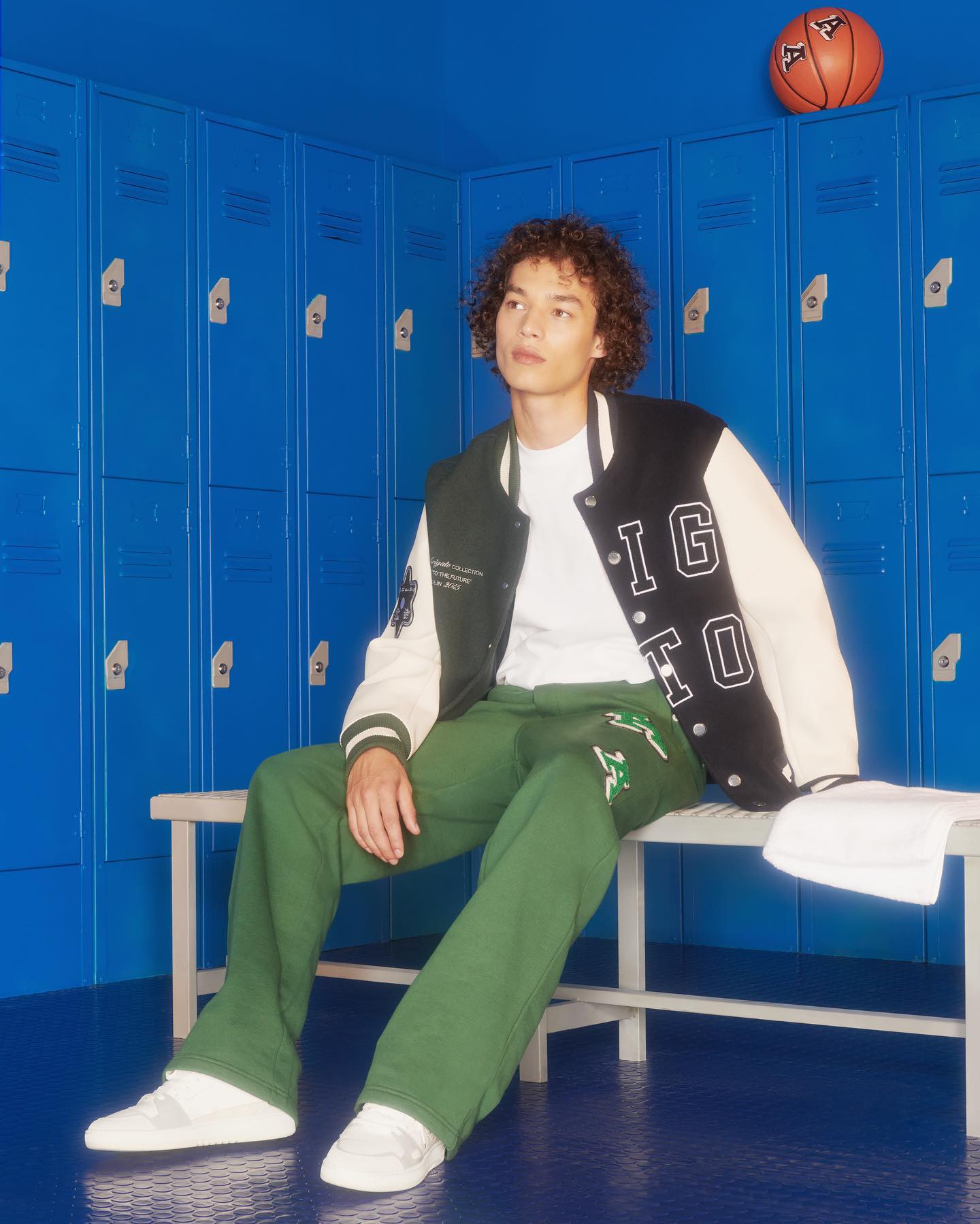
Joggers feature a progressive taper from hip to ankle—this is their defining characteristic:
- Mid-rise to regular rise that sits at your natural waist
- Room through the thigh (you should be able to move freely)
- Gradual narrowing starting at the knee
- Fitted taper at the ankle with elastic cuff
- Cuff sits just above the ankle bone, creating a slightly cropped look
- Intentionally shows off your footwear—this is by design
- Quality pairs include a gusset crotch for better mobility
Sweatpants
Sweatpants maintain a consistent width from hip to ankle:
- Straight leg that doesn’t narrow at all, or narrows only slightly
- Can feature elastic cuffs or completely open bottoms
- More generous through the entire leg
- Often sits lower on the hips (low-rise or mid-rise)
- Partially or completely covers your shoes
- Comfort ease throughout—no restriction anywhere
- The silhouette prioritizes unrestricted movement
Why this matters: The taper creates a tailored look that reads as “intentional style choice” rather than “I gave up on looking presentable.” The straight cut of sweatpants reads more casual, which isn’t inherently bad—it’s just a different aesthetic suited to different contexts.
Material & Weight
Joggers
Joggers use lighter, more technical fabrics designed for movement and temperature regulation:
- Typical fabrics: Polyester/spandex blends (88/12 is common), nylon/elastane, moisture-wicking cotton blends, performance knits
- Weight: 200-280 GSM (grams per square meter)—notably lighter
- Feel: Lightweight and breathable with some having actual cooling properties
- Tech features: Often include moisture-wicking, quick-dry capabilities, four-way stretch, anti-odor treatments
- Performance goal: Keep you cool during movement while providing mobility
Sweatpants
Sweatpants prioritize warmth and comfort through substantial fabrics:
- Typical fabrics: 100% cotton, cotton/polyester fleece (80/20 blend is common), French terry, heavyweight jersey
- Weight: 280-400+ GSM—significantly heavier and more substantial
- Feel: Thick and insulating with soft interior brushing
- Warmth factor: Inner fleece lining traps body heat effectively
- Original purpose: Cotton naturally absorbs sweat during athletic activity (hence “sweatpants”)
Quality Indicators to Look For
In joggers:
- Flatlock seams that lie flat and won’t irritate skin
- Mesh ventilation panels in strategic areas
- Reinforced stress points at pockets and waistband
- Quality elastic that doesn’t roll or lose shape
- Clean, even stitching throughout
In sweatpants:
- Double-needle stitching at seams
- Gusset crotch for durability and comfort
- Preshrunk fabric (should say so on label)
- Substantial, wide waistband with quality drawstring
- Ribbed cuffs that maintain elasticity
Design Details
Joggers
Joggers typically include functional design elements:
- Zippered pockets for security during activity (keeps phone and keys safe)
- Faux fly front for a cleaner, more refined appearance
- Internal or minimal drawstring (not the thick, exposed kind)
- Reflective details on performance-oriented models
- Articulated knees on technical versions for better movement
- Back zippered pocket increasingly common
Sweatpants
Sweatpants keep design simple and functional:
- Simple side pockets that are deeper and roomier
- Exposed drawstring at the waistband
- Back patch pockets on some styles
- Minimal branding, or bold retro logos (Champion “C”, Nike swoosh)
- Simpler construction generally means lower price point
Original Purpose & Evolution
Joggers (2010s-Present)
Joggers emerged from the athleisure movement as a modern hybrid:
- Born in the 2010s as gym-to-street transition piece
- Influenced by technical running pants merged with street fashion
- Made mainstream by brands like APL, Rhone, Outdoor Voices, and Lululemon
- Design goal: Look like you could work out, but also grab coffee or run errands
- Represents the “elevated casual” aesthetic of modern menswear
Sweatpants (1920s-Present)
Sweatpants have a much longer history:
- Created in the 1920s by French sporting goods company Le Coq Sportif
- Originally only available in gray and designed for athletes to wear pre-competition
- Russell Athletic popularized them in the United States in the 1930s
- Hip-hop culture embraced them in the 1980s-90s, giving them cultural credibility
- The 2020 pandemic brought full mainstream acceptance
- Design goal: Maximum comfort and warmth retention during and after athletic activity
For a deeper exploration of the various styles and cuts within just the joggers category, see our comprehensive guide to the 8 types of joggers for men.
When to Choose Each: Scenario-Based Guide
The joggers vs sweatpants difference becomes most apparent when you consider specific real-world scenarios. Here’s when each option excels.

Choose Joggers For:
1. Airport Transit
- Why joggers: The tapered fit looks intentional and put-together, not like you’re wearing pajamas through security
- Pair with: Fitted crewneck tee, bomber jacket or zip hoodie, clean white sneakers
- Avoid: Oversized hoodie that creates too much bulk and shapelessness
2. Coffee Shop Work Session
- Why joggers: They pass the “semi-public” test where people will see and judge you
- Pair with: Untucked button-up shirt, minimal leather sneakers
- Avoid: Athletic graphic tees that scream “I actually just came from the gym”
3. Running Errands
- Why joggers: Comfortable but intentional-looking for grocery stores, pharmacy, post office
- Pair with: Casual tee, denim jacket, versatile sneakers like Stan Smiths
- Avoid: Slides or shower shoes (keep those for home)
4. Gym to Brunch Transition
- Why joggers: They’re literally designed for this exact use case
- Pair with: Performance tee that doesn’t look overly athletic, bomber or coach jacket
- Avoid: Obviously technical fabrics with mesh panels in non-gym settings
5. Casual Friday at Relaxed Office
- Why joggers: Modern professional environments increasingly accept athleisure
- Pair with: Structured button-down, crewneck sweater, leather sneakers or minimalist trainers
- Avoid: Anything with visible logos or neon colors
6. Travel Days (Flights, Road Trips)
- Why joggers: Comfort plus mobility plus looking decent when you arrive
- Pair with: Layers for temperature control (planes are unpredictable)
- Fabric choice: Wrinkle-resistant tech fabrics work best
Choose Sweatpants For:
1. Home Office/WFH Days
- Why sweatpants: Maximum comfort for extended sitting, you’re not leaving the house
- Pair with: Presentable top half for video calls
- Pro tip: Keep a fitted pair nearby if you need to answer the door
2. Actual Workouts in Cold Weather
- Why sweatpants: They trap heat and absorb sweat—this is their original, actual purpose
- When: Outdoor running below 50°F, outdoor winter training
- Avoid: Indoor gym use (you’ll overheat; they’re not technical enough)
3. Lazy Weekend at Home
- Why sweatpants: Peak comfort, zero pressure to look “styled”
- Pair with: Your favorite hoodie, chunky socks
- Freedom: This is their natural habitat—no judgment here
4. Quick Neighborhood Walk
- Why sweatpants: You’re literally just walking the dog or getting mail
- Pair with: Sweatshirt, basic sneakers
- Context matters: Know your neighborhood’s vibe (Brooklyn vs suburbs)
5. Recovery Days
- Why sweatpants: Loose fit means less restriction on sore muscles
- After: Intense workouts, long runs, sports injuries
- Material: Soft French terry feels best against skin
6. Cold Weather Lounging
- Why sweatpants: Insulation plus comfort for indoor winter evenings
- Season: Late fall through winter
- Upgrade: Cashmere-blend sweatpants for luxury lounging experience
For specific styling approaches and outfit formulas, check out our guide on how to wear joggers without looking sloppy.
How to Wear Each Without Looking Sloppy

This is where most guys fail. Understanding the difference between joggers and sweatpants is one thing—wearing either without looking like you’ve given up on life is another. Here’s how to do it right.
The Joggers Formula
Rule #1: Top-to-Bottom Balance
Joggers are inherently relaxed on the bottom half, which means you need structure on top to create visual balance:
- Works: Fitted tee, structured sweater, tailored jacket, button-down shirt
- Doesn’t work: Oversized hoodie + baggy joggers = completely shapeless silhouette
- The principle: If the bottom is relaxed, the top should be fitted. If you insist on an oversized top, your joggers need to be very fitted.
Rule #2: The Taper Must Be Right
The ankle fit can make or break the entire look:
- Too tight: Cutting off circulation, looks painted on, actually uncomfortable
- Too loose: Defeats the entire purpose, just looks like poorly-fitting sweatpants
- Perfect: Sits comfortably at ankle bone with slight contact, not strangling your leg
Rule #3: Length Is Critical
This is non-negotiable:
- Correct length: Cuff hits right at ankle bone, showing a sliver of skin or sock
- Too long: Bunches at ankle, creates sloppy, messy look
- Too short: Looks like you outgrew them or bought the wrong size
- Solution: Get them hemmed if needed—worth the $15
Rule #4: Footwear Makes or Breaks It
Great options with joggers:
Never with joggers:
- Running shoes with visible tech features outside the gym
- Boat shoes (the formality clash is jarring)
- Any dress shoes—oxfords, derbies, loafers
- Chunky hiking boots
- Slides (only acceptable at gym or home)
Rule #5: Color Strategy
Versatile, always-works colors:
- Black (most versatile, works with everything)
- Charcoal gray (second most versatile)
- Navy (classic, slightly preppy)
- Olive green (casual, military-inspired)
- Dark gray heather (casual, textured)
Statement colors (wear with neutral tops):
- Burgundy or maroon
- Forest green
- Camel or tan
- Rust or burnt orange
Avoid unless leaning into streetwear:
- Bright colors (neon, electric blue, hot pink)
- Loud patterns (save for very specific style contexts)
Safest bet: Monochrome outfits (black joggers + black tee + black jacket) always look intentional.
Example Outfits
- Elevated Casual: Navy joggers + white tee + camel overcoat + white leather sneakers
- Athleisure Done Right: Black joggers + gray performance tee + black bomber jacket + black trainers
- Weekend Ease: Olive joggers + cream crewneck sweater + navy Harrington jacket + beige sneakers
The Sweatpants Formula

Rule #1: Fit Still Matters
Baggy is acceptable with sweatpants, but there’s a difference between intentionally baggy and sloppy:
- Should have clean lines at the waist (waistband sits properly)
- No saggy crotch (this is the death of any outfit—size down if this happens)
- Hem should skim the top of your shoe, not drag on the ground
- Room through the leg is fine, but shouldn’t look like you’re swimming in them
Rule #2: Elastic Cuff vs Open Bottom
- Elastic cuff: More versatile, works for leaving the house, less likely to look sloppy
- Open bottom: Keep for house only OR style very intentionally with chunky sneakers
- Never: Open bottom dragging on the ground collecting street grime—this looks terrible
Rule #3: Compensate with Top Structure
Sweatpants are inherently very casual, so your top needs to add polish:
- Works: Structured outerwear (wool coat, tailored jacket, leather jacket)
- Risky but possible: Hoodie (can work but easy to look sloppy—needs to be fitted)
- Doesn’t work: Oversized sweatshirt + baggy sweatpants = you’ve given up
Rule #4: The Sweatsuit Exception
Matching sets CAN work, but only if:
- Both pieces are fitted, not baggy
- Fabric quality is excellent (no pilling, rich color)
- You style with structure (layer a jacket over the hoodie)
- You execute with confidence
Rule #5: Context Awareness
Know where sweatpants are acceptable:
- Never: Nice restaurants, bars with dress codes, anywhere “smart casual” applies
- Maybe: Casual brunch spots, depends on how you style them and neighborhood context
- Fine: Grocery stores, pharmacies, gas stations, neighborhood walks
- Perfectly acceptable: Flights, road trips, airports, home
Example Outfits
- Elevated Loungewear: Gray sweatpants + fitted black turtleneck + black wool overcoat + Chelsea boots
- Casual Cool: Black sweatpants + white tee + light-wash denim jacket + white chunky sneakers
- Street Style: Charcoal sweatpants + black fitted hoodie + black leather jacket + black high-top sneakers
Common Styling Mistakes (Both Categories)

Mistake #1: Wrong Proportions
- Problem: Baggy top + baggy bottom = no body definition whatsoever
- Fix: If bottom is relaxed, top must be fitted (and vice versa)
Mistake #2: Bad Length
- Problem: Joggers bunching at ankle, sweatpants dragging on ground
- Fix: Get them hemmed or buy correct size—this is non-negotiable
Mistake #3: Old, Pilled Fabric
- Problem: Worn-out, pilled fabric screams “I’ve completely given up”
- Fix: Retire pants once they start showing wear—they’re done
Mistake #4: Wrong Underwear
- Problem: Visible underwear lines, boxer waistband showing, boxers bunching
- Fix: Wear proper underwear for fitted joggers (boxer briefs, not loose boxers)
Mistake #5: Trying Too Hard
- Problem: Joggers + blazer + dress shoes = confused, clashing outfit
- Fix: Keep joggers and sweatpants in the athleisure/casual realm—don’t force formality
Body Type Considerations

The joggers vs sweatpants difference matters more or less depending on your build. Here’s how to choose styles that flatter your specific frame.
For Shorter Men (5’8″ and Under)
Joggers:
- Choose tapered fits with the taper starting higher (above the knee)
- Slim cut through entire leg works best
- Ankle hits at proper spot showing ankle bone creates leg length
- Avoid drop-crotch styles (they shorten your legs visually)
- Skip baggy or relaxed silhouettes (overwhelm your frame)
Sweatpants:
- Slim or regular fit only—no baggy styles
- Elastic cuffs help contain volume
- Avoid wide-leg or super-relaxed styles
- Skip any extra length (get them hemmed)
Why this matters: Excess fabric overwhelms shorter frames and makes you look even shorter. Clean, tapered lines create the illusion of height.
For Taller Men (6’2″ and Over)
Joggers:
- Look for “tall” specific sizing (many brands offer this)
- Need proper inseam length (32-34″)
- Relaxed fit through thigh prevents looking squeezed
- Avoid ultra-skinny tapers (disproportionate on long legs)
Sweatpants:
- Longer inseams are critical (otherwise looks like floods)
- Can handle more relaxed, generous fits
- Open-bottom styles work well with your proportions
- Watch for “flood pant” effect (too short looks unintentional)
Why this matters: Standard lengths are often too short on taller frames, which makes you look like you borrowed someone else’s pants. Our guide to joggers for tall men addresses this specific challenge.
For Athletic Builds
Joggers:
- Need substantial room in thighs and glutes
- “Athletic fit” with taper below the knee works best
- Stretch fabric is essential (look for spandex/elastane)
- Avoid labeled “skinny” joggers (won’t fit properly)
Sweatpants:
- Pretty much any fit works well
- Can embrace the relaxed silhouette
- Don’t go too baggy (still need some structure)
Why this matters: Muscular legs need accommodation without looking overly tight or restrictive. Athletic builds can pull off fitted joggers better than most.
For Bigger Builds
Joggers:
- Generous room through seat and thigh
- Gentle taper (not aggressive)
- Elastic waist with drawstring for adjustment
- Avoid ankle cuffs that are too tight (uncomfortable and unflattering)
- Skip ultra-tapered styles
Sweatpants:
- This is their natural comfort zone
- Elastic cuffs help contain and define the silhouette
- Mid to regular rise more comfortable than low-rise
- Avoid low-rise styles (uncomfortable sitting)
Why this matters: Comfort is the priority, but the right fit creates definition rather than looking shapeless.
For Slim Builds
Joggers:
- Fitted and tapered styles work perfectly
- The tapered silhouette complements naturally
- Can wear skinnier, more aggressive tapers
- Avoid paper-thin fabrics (need fabric with structure)
Sweatpants:
- Need more substantial, structured fabric
- Straight leg better than overly baggy
- Elastic cuff adds definition at ankle
- Skip oversized/baggy fits (will swallow your frame)
Why this matters: Slim builds need structure and definition from the garment itself since the body doesn’t provide much shape.
Quality Indicators & Price Tiers
Not all joggers are created equal, and the same goes for sweatpants. Here’s how to identify quality and understand what you’re paying for at different price points.

What Makes Quality Joggers/Sweatpants?
Construction Details to Look For:
- Flatlock seams: Lie flat against skin, no irritation, won’t unravel
- Reinforced crotch gusset: Prevents blowouts at stress point
- Bartacked stress points: Extra stitching at pockets, waistband, crotch
- Quality elastic: Thick waistband and cuffs that don’t roll or lose shape
- Clean finishing: No loose threads, even hems, consistent stitching
- Preshrunk fabric: Maintains size and shape after washing
Fabric Quality Indicators:
- Pilling resistance: Tight weave and quality fibers (check reviews for this)
- Color fastness: Doesn’t fade significantly after several washes
- Shape retention: Doesn’t get saggy at knees or seat after wearing
- Appropriate weight: Substantial enough to have structure without being stiff
- Consistent color: No streaking or uneven dyeing
Fit Engineering:
- Proper rise: Sits comfortably at natural waist without pulling
- Anatomical fit: Accounts for how the body actually moves
- Proportional taper: Gradual narrowing, not sudden (joggers)
- Functional pockets: Deep enough for phone, wallet, keys
Price-Value Breakdown
Under $30 (Basic Tier)
What to expect:
- Simple, straightforward construction
- Basic cotton or polyester blends
- Minimal design features
- May start pilling after 10-15 washes
- Elastic may lose shape after 6 months
Good for: Home lounging, gym workouts, sleep, high-rotation basics you’ll replace often
Example brands: Amazon Essentials, Gildan, Hanes, Russell Athletic
Best for: Budget-conscious buyers, trying out the style before investing
$30-$60 (Value Tier)
What to expect:
- Better fabric quality with tighter weave
- Some thoughtful design details (zippered pockets, reflective elements)
- Decent durability (30-50 washes before showing wear)
- Acceptable for public wear
- Basic color options that don’t fade quickly
Good for: Everyday wear, reliable basics, solid value for money
Example brands: Uniqlo, Everlane, Gap, Old Navy Premium, J.Crew Factory
Best for: Most people—this is the sweet spot for quality and value
$60-$100 (Premium Tier)
What to expect:
- High-quality fabrics (French terry, technical blends, premium cotton)
- Thoughtful construction with reinforced stress points
- Style-forward design that looks intentional
- Lasts 100+ washes with proper care
- Retains shape and color excellently
Good for: Frequent wear, investment pieces, when you want to look genuinely put-together
Example brands: Reigning Champ, John Elliott, Outdoor Voices, Rhone, Lululemon, Public Rec
Best for: People who wear joggers/sweatpants regularly and want quality that lasts
$100-$200+ (Designer/Technical Tier)
What to expect:
- Exceptional materials (Japanese terry, Italian fleece, high-tech synthetics)
- Superior construction with attention to every detail
- Unique design elements and cuts
- Status and brand cachet
- Often made in developed countries (USA, Canada, Japan, Italy)
Good for: Fashion enthusiasts, collectors, when you want the absolute best
Example brands: Fear of God Essentials, Aimé Leon Dore, Arc’teryx Veilance, Stone Island, Brunello Cucinelli
Best for: Those who prioritize fashion, have disposable income, or want a specific aesthetic
Red Flags (Cheap Quality Indicators)
Watch out for these signs of poor quality:
- Thin, see-through fabric (you can see your legs through it)
- Uneven stitching or skipped stitches
- Loose threads everywhere
- Waistband or cuffs that roll immediately
- Ankle cuffs that lose elasticity after one wear
- Significant pilling after single wash
- Color streaking or uneven dyeing
- Strong chemical smell that won’t wash out
For brand recommendations that deliver quality at each price tier, check out our guide to the 9 best athleisure brands for men.
Seasonal Considerations
The joggers vs sweatpants comparison shifts depending on the season. Here’s how to choose for different weather conditions.
Spring/Summer
Joggers Win:
- Lightweight technical fabrics keep you cool
- Moisture-wicking properties handle sweat
- Breathable construction prevents overheating
- Cropped styles available for maximum ventilation
Best materials: Cotton/poly blends (60/40), nylon, quick-dry synthetic fabrics, lightweight French terry
Best colors: Light gray, khaki, olive, navy, stone—avoid black in heat
Pair with: Breathable tees, short-sleeve button-ups, lightweight bombers, unlined jackets
Sweatpants:
- Generally too warm for most climates
- Lightweight French terry is the lightest acceptable option
- Mostly skip unless you’re in heavily air-conditioned environments
Fall/Winter
Both Work (But Differently):
Joggers:
- Heavier weight options (280+ GSM)
- Fleece-lined versions available
- Better for active days when you’re moving around
- Works well with layered outfits
Sweatpants:
- This is their natural season and primary use case
- Heavyweight fleece excels in cold weather
- Superior insulation for stationary activities
- Maximum warmth for outdoor cold-weather use
Best Materials by Season:
Fall joggers: Medium-weight French terry, brushed fleece interior
Winter joggers: Heavyweight fleece, thermal-lined options
Winter sweatpants: Heavyweight cotton fleece (350+ GSM), wool blends for premium options
Layering Strategies:
- Joggers: Show the taper when worn under longer coats (thigh-length or longer)
- Sweatpants: Pair with shorter jackets to avoid weird proportions
- Both: Layer properly on top—thermal base layer, tee, sweater, jacket
Care & Longevity

Proper care extends the life of both joggers and sweatpants significantly. Here’s how to maintain them.
Washing Best Practices
Do:
- Turn inside out: Protects exterior from friction and fading
- Use cold water: Prevents shrinkage and color fading
- Gentle cycle: Less agitation means less wear
- Wash similar colors together: Prevents color transfer
- Air dry or low heat: High heat destroys elastic and causes shrinkage
Don’t:
- Hot water wash: Destroys elastic in waistband and cuffs
- High heat dry: Causes significant shrinkage and fabric damage
- Fabric softener: Ruins moisture-wicking properties in technical fabrics
- Bleach: Weakens fibers and causes discoloration
- Over-stuff washer: Creates excessive friction that damages fabric
Maintenance Tips
Prevent Pilling:
- Always turn inside out before washing
- Wash with similar fabrics (don’t mix with rough denim or towels)
- Use a fabric shaver to remove pills when they appear
- Avoid washing after every single wear unless actually dirty
Preserve Elastic:
- Don’t over-stretch the waistband when putting them on
- Air dry to preserve elasticity (heat destroys it)
- Don’t store bunched up—fold or hang properly
- Avoid leaving rolled up at the waistband
Remove Stains:
- Treat stains immediately before they set
- Spot clean when possible rather than full wash
- Use mild detergent, avoid harsh chemicals
- For tough stains, treat with stain remover before washing
When to Retire Them
Signs it’s time to say goodbye:
- Visible pilling that won’t remove with fabric shaver
- Significantly faded color (looks washed out and dingy)
- Stretched out waistband or cuffs that won’t stay up/in place
- Saggy knees or seat area (fabric has stretched permanently)
- Thinning fabric (you can see through it)
- Holes or tears that can’t be reasonably repaired
Typical Lifespan by Price Tier
- Budget ($20-30): 20-30 washes before significant wear
- Mid-tier ($40-70): 50-75 washes with proper care
- Premium ($80-150): 100+ washes, often lasting years
- Designer ($150+): 150+ washes if cared for properly
Brand Recommendations by Budget
Budget-Friendly ($20-$40)
Joggers:
Sweatpants:
Mid-Range ($40-$80)
Joggers:
Sweatpants:
Premium ($80-$150)
Joggers:
Sweatpants:
Designer/Technical ($150+)
Joggers:
Sweatpants:
Final Verdict: Which Should You Choose?
Choose Joggers If You:
- Want versatility to go from gym to street seamlessly
- Live in moderate climates (not extreme cold)
- Value modern, tailored aesthetics over pure comfort
- Need a semi-public appropriate casual option
- Prioritize mobility and performance features
- Want to look intentional and put-together
- Prefer a contemporary, fashion-forward silhouette
Choose Sweatpants If You:
- Prioritize comfort and warmth above all else
- Live in cold climates or it’s winter
- Primarily wearing them at home
- Want maximum insulation and coziness
- Prefer relaxed, classic fits over tapered styles
- Value traditional loungewear aesthetics
- Need something for recovery days or sleep
The Ideal Wardrobe Strategy
Own both. Seriously, this isn’t a binary choice.
Recommended wardrobe:
- 2-3 pairs of quality joggers in versatile colors (black, gray, navy)
- 1-2 pairs of sweatpants (gray and/or black)
Usage breakdown:
- Joggers: 70% of your casual wear situations—errands, coffee shops, casual outings, travel, gym-to-street
- Sweatpants: 30% of situations—home lounging, cold weather, recovery days, sleep

The Real Answer
Understanding the joggers vs sweatpants difference isn’t about declaring a winner—it’s about having the right tool for each situation. Joggers dominate the modern athleisure landscape because they’re more versatile and appropriate for more contexts, but sweatpants still excel in their comfort-first lane.
The quality of either matters more than the category itself. A $120 pair of Reigning Champ sweatpants will outperform $40 joggers in every situation where sweatpants are appropriate. Conversely, well-made joggers can go places sweatpants simply cannot.
Investment strategy: Spend more on joggers since you’ll wear them more often and in more visible contexts. You can get away with cheaper sweatpants for home use, but if you’re wearing them in public, invest in quality.
Bottom line: Invest in quality pieces of both categories, understand their respective strengths, and wear them with confidence in the right contexts. Your casual wardrobe will be significantly better for it.
Conclusion
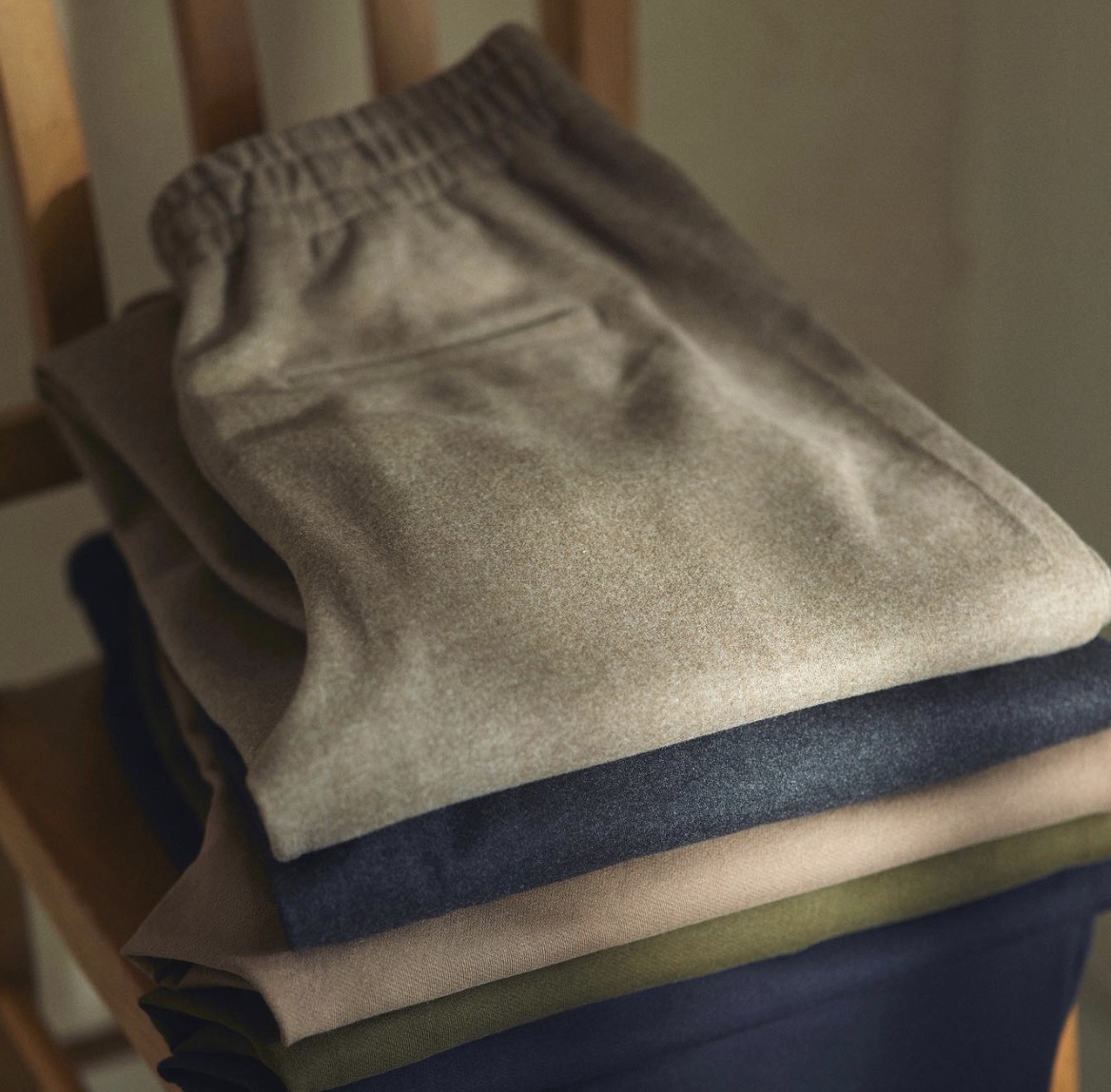
The distinction between joggers and sweatpants comes down to design philosophy: joggers prioritize versatility and modern style with their tapered silhouette, while sweatpants prioritize comfort and warmth with their relaxed fit. Both have earned legitimate places in the modern wardrobe, but they serve different purposes.
Key takeaways:
- The core distinction (tapered vs straight leg) determines everything else about fit, styling, and appropriate contexts
- Both categories have evolved far beyond pure athletic wear into legitimate casual staples
- Styling and fit quality matter more than which category you choose
- Quality always trumps quantity—invest in fewer, better pairs
- Body type considerations ensure proper fit and flattering proportions
- Context awareness prevents looking sloppy or out of place
- The right footwear choice makes or breaks any joggers or sweatpants outfit
- Both deserve strategic placement in your wardrobe based on your lifestyle
Whether you lean toward the modern versatility of joggers or the cozy comfort of sweatpants, the most important factors are fit, quality, and knowing when and how to wear each. Master these elements, and you’ll look intentional and put-together even in your most casual outfits.
[ad_2]
Source link